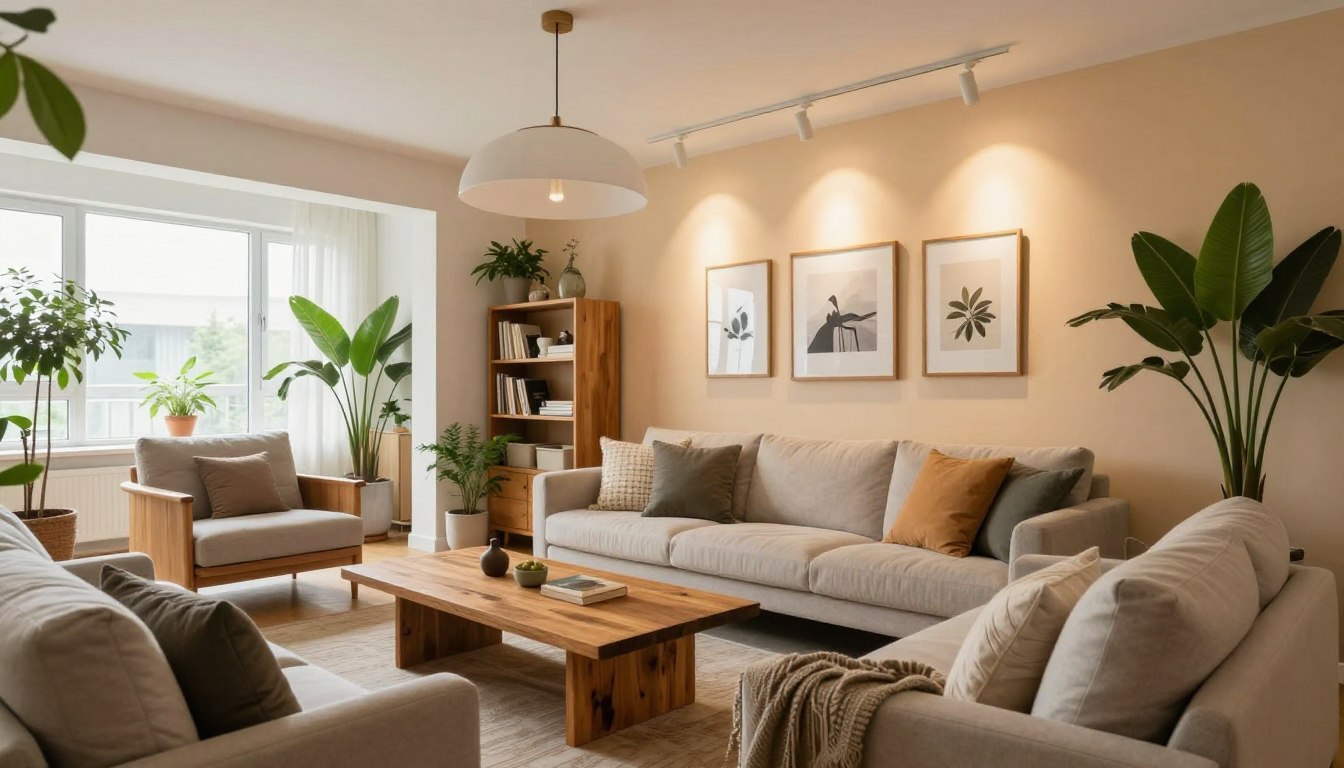
Did you know that homeowners who update their primary gathering area often see a return on investment exceeding 70%? This space serves as the heart of your house, where memories are made and guests are welcomed. Our living room renovation guide offers a clear, practical path to boost both comfort and style.
You will learn how to manage your budget effectively while selecting durable materials. We also explore smart storage solutions that keep your area clutter-free and organized.
Following these expert tips for renovating living room layouts ensures your home feels both functional and inviting. We cover every step, from initial planning to the final decorative touches that make a house feel like a home.
Key Takeaways
- Establish a realistic budget before purchasing any materials.
- Prioritize functional storage to maintain a clean environment.
- Focus on high-traffic zones to improve daily flow.
- Select timeless finishes that increase long-term property value.
- Balance aesthetic appeal with the practical needs of your family.
Plan Your Living Room Renovation Guide
A successful renovation begins long before you pick up a paintbrush or buy new furniture. Taking the time to map out your strategy is the best living room remodeling advice you can receive. This preparation creates a strong foundation and helps you avoid expensive changes once construction starts.
Define How You Want to Use the Living Area
Start by considering your daily household routines. Do you need a quiet space for reading, or is this room primarily for hosting large gatherings? Identifying these core activities ensures your design supports your lifestyle rather than hindering it.
Think about how many people use the space simultaneously. If you have children or pets, durability will likely rank higher than delicate aesthetics. Defining these needs early prevents you from choosing furniture that looks great but fails to serve your family.
Assess the Existing Layout, Lighting, and Storage
Take a critical look at your current room conditions. Evaluate how natural light enters the space throughout the day, as this dictates your color choices and window treatments. You should also identify any structural limitations, such as awkward corners or a lack of built-in storage.
Understanding these constraints is essential when learning how to update your living space effectively. By documenting these details, you can create a layout that maximizes flow and minimizes clutter. Proper assessment ensures that every square foot is used to its full potential.
Set a Realistic Renovation Budget and Timeline
A clear budget acts as your roadmap throughout the project. Break your expenses into categories like materials, labor, and decor to keep your spending on track. Always include a buffer for unexpected costs, which are common in older homes.
Separate Essential Repairs From Style Upgrades
Prioritize your list by distinguishing between necessary repairs and aesthetic improvements. Fixing electrical issues or structural damage should always come before purchasing decorative items. This approach ensures your home remains safe and functional while you pursue your design goals.
Plan for Permits, Contractors, and Unexpected Costs
In the United States, regulations regarding permits and contractor licensing vary significantly by state and municipality. Always check with your local building department to see if your project requires official approval. Hiring licensed professionals provides peace of mind and ensures your work meets local safety codes.
| Phase | Primary Task | Estimated Time |
|---|---|---|
| Planning | Budgeting & Design | 2-4 Weeks |
| Preparation | Permits & Sourcing | 3-6 Weeks |
| Execution | Repairs & Installation | 4-8 Weeks |
| Finishing | Decor & Styling | 1-2 Weeks |
Learning how to update your living space requires patience and careful coordination. By following this structured approach, you can manage your expectations and enjoy the transformation process. Remember that quality living room remodeling advice emphasizes that a well-planned project is always worth the effort.
Choose a Functional Layout and Design Direction
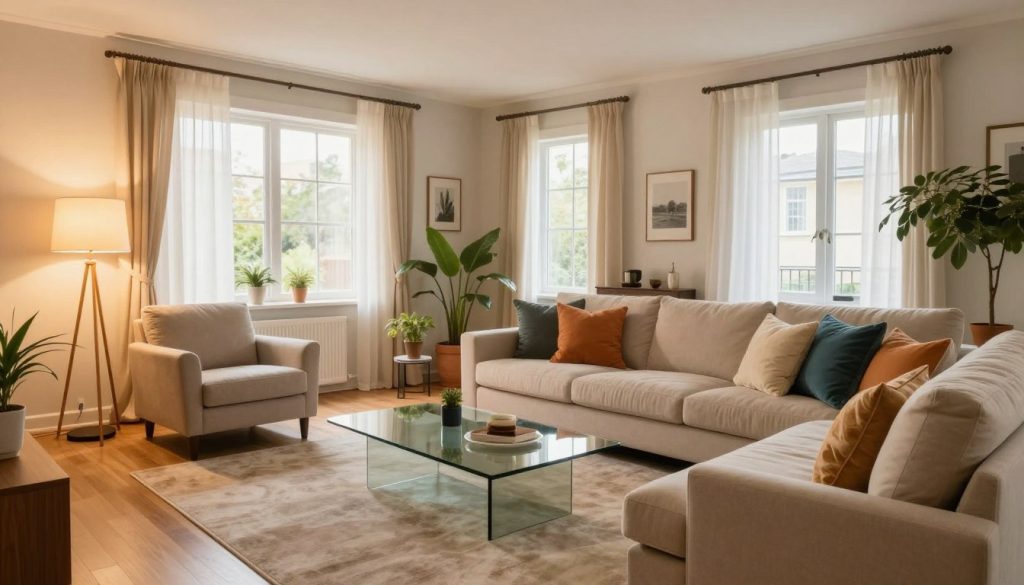
Improving your living room design requires a careful look at how your furniture interacts with the room’s flow. When you explore various renovation ideas for living rooms, prioritize a layout that supports your daily habits while maintaining a sense of style.
Create Conversation-Friendly Furniture Zones
A well-planned living area encourages interaction by grouping furniture in a way that feels natural. Positioning sofas and chairs to face each other creates an intimate setting perfect for hosting guests or enjoying family time.
Ensure there are clear walkways around your seating groups to prevent the room from feeling cramped. By establishing a clear focal point, such as a fireplace or a media console, you anchor the space and make it easier to navigate.
Select a Cohesive Color Palette and Finishes
Consistency is the secret to a professional look. Choose a color palette that ties your furniture, walls, and textiles together to create a sense of harmony.
Mixing textures, such as wood, metal, and soft fabrics, adds depth without overwhelming the eye. Coordinating your finishes ensures that every piece of furniture feels like it belongs in the same room.
Improve Natural and Layered Lighting
Lighting is the most important element for setting the mood in your home. You should aim to maximize natural light during the day while providing flexible options for the evening.
Balance Overhead, Task, and Accent Lighting
A successful lighting plan uses three distinct layers to provide both utility and ambiance. Overhead lights provide general illumination, while task lighting, such as floor lamps, helps with reading or hobbies.
Use accent lighting to highlight architectural features or artwork. This combination allows you to adjust the room’s atmosphere based on your needs throughout the day.
Use Rugs, Curtains, and Mirrors to Shape the Room
Textiles and accessories play a major role in defining the boundaries of your space. A large area rug can effectively ground a seating zone, while curtains hung high can make your ceilings appear taller.
Strategically placed mirrors reflect light and make smaller rooms feel significantly more spacious. These simple renovation ideas for living rooms help you transform a standard area into a functional and beautiful retreat.
Complete the Renovation With Smart Updates
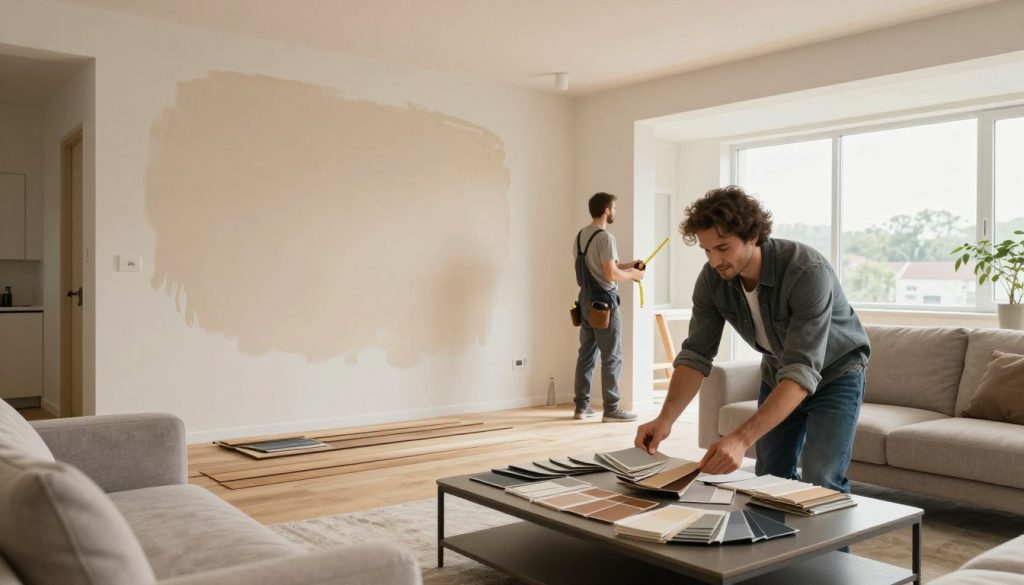
You are now ready to add the personality and comfort that define a truly inviting living space. When you renovate your living area, the final stage is where your personal style finally shines through. This phase transforms a construction site into a functional sanctuary for your family.
Refresh Walls, Floors, and Architectural Details
Start by updating your surfaces to create a clean, cohesive backdrop. A fresh coat of paint in a neutral tone can instantly brighten the room and make it feel larger.
Consider installing crown molding or baseboards to add character and depth to your walls. If you are a renter, peel-and-stick wallpaper or area rugs are excellent ways to refresh your floors without making permanent changes.
Choose Durable Furniture for Comfort and Everyday Use
Your furniture should balance aesthetic appeal with long-lasting durability. Look for performance fabrics that resist stains and wear, especially if you have children or pets.
Choose pieces that fit the scale of your room to ensure comfortable traffic flow. Investing in high-quality frames will save you money in the long run by avoiding frequent replacements.
Add Storage Without Making the Room Feel Crowded
Effective storage is the secret to maintaining a tidy home. By keeping surfaces clear, you allow the room to breathe and feel more open.
Hide Cords and Organize Media Equipment
Visible wires can quickly ruin the look of a clean space. Use cable management sleeves or hidden media consoles to keep your technology organized and out of sight.
Use Built-Ins, Baskets, and Multipurpose Pieces
Built-in shelving maximizes vertical space while providing a home for books and decor. For flexible storage, use decorative baskets to tuck away blankets or toys.
Multipurpose furniture, such as an ottoman with hidden storage, is a smart choice for smaller homes. These items serve a dual purpose without adding extra clutter to your floor plan.
Layer Decor and Personal Touches
The final step in your step-by-step living room renovation is adding the items that make the space feel like yours. Layering decor adds warmth and visual interest to every corner.
Combine Textures, Artwork, Plants, and Accessories
Mix different textures like wool, linen, and wood to create a cozy atmosphere. Hang artwork that reflects your personality and place indoor plants to bring a touch of nature inside.
Remember that less is often more when it comes to accessories. Select a few meaningful pieces that tell your story rather than filling every shelf with small items.
Conclusion
Your living room serves as the heart of your daily life. Achieving a beautiful space requires following the best practices for updating living room areas by starting with clear goals and a realistic budget. A solid plan keeps your project on track from the first sketch to the final paint stroke.
Successful results emerge when you balance practical layout choices with high-quality materials. Brands like West Elm or Pottery Barn offer durable furniture that stands up to heavy use while maintaining a polished look. Integrating smart storage solutions keeps your surfaces clear and your environment calm.
Effective lighting changes the mood of any room instantly. Layering ambient, task, and accent lights creates a welcoming atmosphere for your family. These best practices for updating living room designs ensure your home reflects your unique personality while meeting your functional needs.
Focus your energy on improvements that support how your household actually uses the space. Whether you prioritize cozy movie nights or active play areas, your design choices should serve your lifestyle. Start your renovation journey now to create a living room you truly love.
Leave a Reply